
Quick Answer
The trump presidency impact is significant-Donald Trump’s administration reshaped US politics, the economy, and global alliances through major tax cuts, aggressive tariffs, and unconventional diplomacy. His leadership style increased polarization, altered America’s global role, and continues to influence political debate and policy as 2024 nears.
Donald Trump’s Leadership Style
Few public figures have changed the American political climate as dramatically as Donald Trump. His presidency featured a leadership style that broke with tradition, inspiring both strong loyalty and fierce opposition. Whether admired for his confidence or criticized for unpredictability, Trump’s approach left a lasting mark on the nation’s political landscape.
Decision Making Approach
Donald Trump’s decision-making was quick, often transactional, and deeply personal. He managed the White House more like a business, relying on instinct. There were frequent late-night calls, sudden social media announcements, and high cabinet turnover. Trump valued loyalty and directness, leading to rapid policy changes that sometimes caught both allies and critics off guard. Supporters saw this as decisive leadership; critics viewed it as instability.
Communication Tactics
Trump’s communication style was direct, combative, and persistent. He often bypassed traditional media, speaking directly to the public via social media, especially Twitter. This approach dominated news cycles and reframed public discussions. Press briefings became highly watched events, sometimes more dramatic than previous administrations. Trump’s confrontational stance with the press made him one of the most visible and polarizing presidents in recent memory.
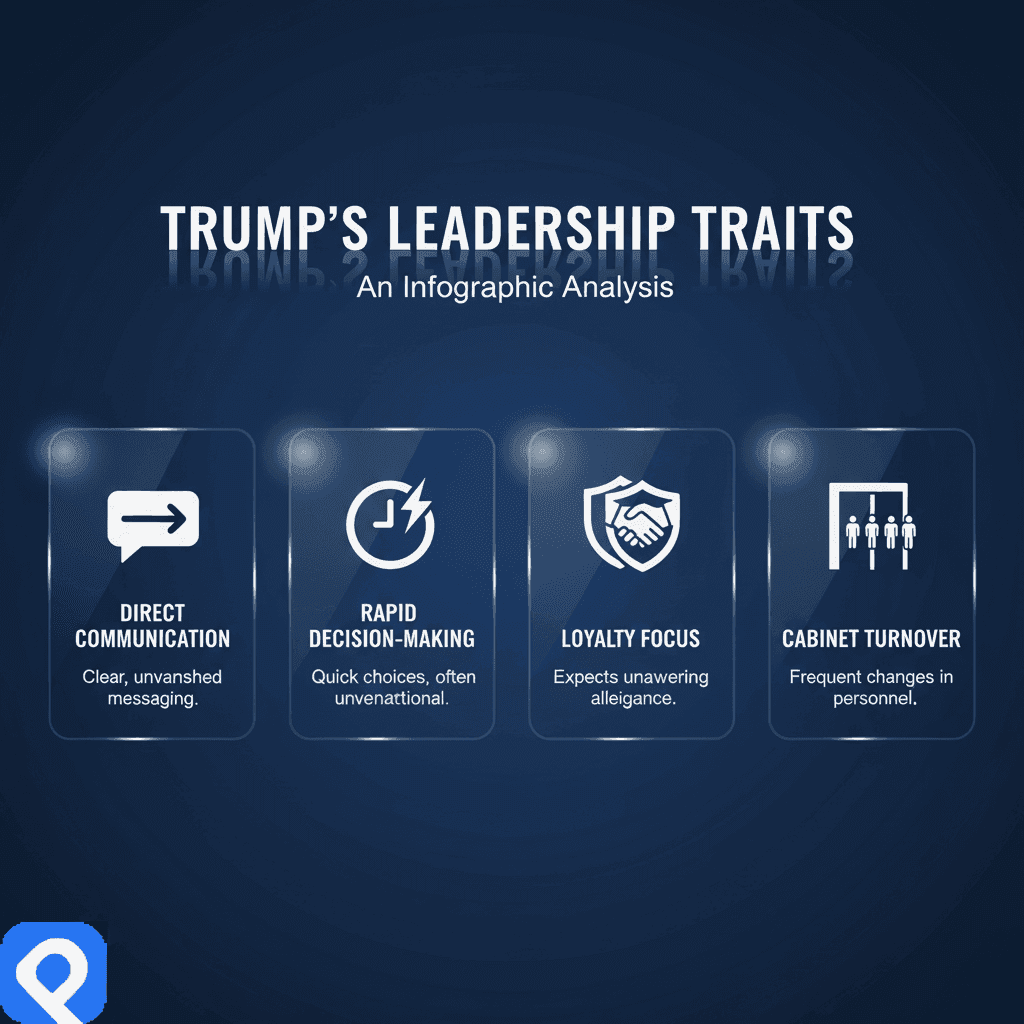
Trump’s leadership style: unconventional, direct, and disruptive.
Trump Economic Policy Effects
The trump presidency impact on the US economy was substantial and widely debated. Donald Trump aimed to disrupt the status quo, and his economic policies reflected a populist and nationalist agenda. Here’s a look at the major initiatives and their effects.
Trump Tax Cuts and TCJA
The Tax Cuts and Jobs Act (TCJA) of 2017 was central to Trump’s economic policy. It reduced the corporate tax rate from 35% to 21% and adjusted individual tax brackets, aiming to boost investment and growth. In the short term, unemployment fell to historic lows and corporate profits increased. The stock market responded positively.
However, the benefits were not evenly distributed. Critics noted a rising federal deficit and argued that gains favored corporations and wealthier individuals, while wage growth for many workers lagged. Supporters claimed the TCJA spurred investment and kept US businesses competitive. The law’s effects remain a point of debate, but its changes to the tax code are still in place.
Tariffs and Trade Wars
Trump used tariffs more aggressively than any recent president. His administration imposed tariffs on hundreds of billions of dollars in Chinese goods, as well as steel and aluminum from other countries. The goal was to protect American industries and address trade imbalances.
Results were mixed. Some domestic industries, like steel, saw short-term benefits, while others, such as agriculture, suffered from retaliatory tariffs. Consumers faced higher prices on imported goods. Trump’s tariffs sparked a national debate about globalization and supply chain vulnerabilities-a discussion that continues today.
Impact on Jobs and Growth
Before the pandemic, job growth was steady, unemployment hit record lows, and GDP growth was strong. Trump frequently highlighted these achievements. Economists, however, disagree on how much credit his policies deserve compared to existing trends.
The COVID-19 pandemic reversed these gains, causing a sharp economic downturn. The administration’s response included stimulus checks and business loans, but some gaps in support remained. Analysts continue to debate which Trump economic policies aided recovery and which left the economy more vulnerable.
Foreign Policy Under Trump
Trump’s foreign policy marked a sharp departure from previous administrations. The 'America First' approach guided decisions, with alliances questioned, adversaries confronted, and international agreements reconsidered.
China Trade War Outcomes
The US-China relationship changed significantly under Trump. The trump china trade war involved rounds of tariffs and tense negotiations. Trump sought to address issues like intellectual property theft and a persistent trade deficit.
The tariffs brought China to the negotiating table, resulting in the 'Phase One' deal. However, most economists agree the trade war harmed both economies. US farmers were especially affected, requiring government aid to offset losses. Consumers paid higher prices for many goods, and global supply chains became more fragile. US-China tensions remain high today.
Alliances and Global Standing
Trump challenged longstanding alliances with NATO, the EU, and Pacific partners, urging them to increase defense spending and renegotiating agreements like NAFTA (now USMCA). Some praised this as necessary, while others worried about declining US influence.
Trump withdrew the US from several international agreements, including the Paris climate accord and the Iran nuclear deal, arguing they were unfair to American interests. Critics said these moves weakened US credibility and leadership. The result was a more transactional foreign policy that still shapes global relations.
Trump 2024 and Project 2025
As the 2024 election approaches, the trump presidency impact is again a major topic. Trump 2024 is not just a campaign but a movement, shaped by the experiences and controversies of his first term. The policies under consideration could be just as consequential.
Policies to Watch
Project 2025 is a conservative plan for a possible second Trump administration. It proposes tightening federal bureaucracy, reducing regulations, and overhauling immigration and education policies. Advisers discuss expanded tariffs, further tax code changes, and a stronger focus on border security. Other proposals include limiting the Federal Reserve’s independence, cutting environmental protections, and restructuring the civil service. While these ideas are not yet policy, they suggest the direction a second Trump term might take.
Potential Global Impact
If Trump returns to office, expect more assertive trade policies, skepticism toward traditional alliances, and a readiness to challenge international norms. Allies may question US commitments, while rivals prepare for unpredictability. Lessons from Trump’s first term-on tariffs, treaties, and global negotiations-would likely inform a transactional foreign policy with wide-reaching effects.
What This Means for You
The trump presidency impact is not just a political issue. It affects your finances, your workplace, and the global environment your family will experience.
Small business owners may have benefited from tax cuts, while tariffs could have increased costs. Farmers and manufacturers experienced the effects of new trade policies directly. For workers, job markets and wages were influenced by both economic growth and global shifts.
Internationally, America’s alliances, reputation, and even the prices of everyday goods have been shaped by Trump’s foreign policy. Whether you supported or opposed these changes, the consequences are real and ongoing.
As 2024 approaches, debates over Trump-era policies-including taxes, trade, and climate-remain highly relevant. The impact of the Trump presidency will continue to shape the country, regardless of which party wins the next election.