Quick Answer
The gold silver price surge of 2026 was fueled by global economic instability, record central bank gold buying, and a severe shortage of physical silver. These forces combined to drive both metals to historic highs, spark extreme volatility, and alter investor behavior. The effects continue to influence commodities and financial markets worldwide.
Why Did Gold and Silver Surge in 2026?
The gold silver price surge 2026 was not a sudden event. Instead, it resulted from years of growing economic uncertainty, aggressive central bank actions, and increasing tension in the physical precious metals markets. Here’s a closer look at the main drivers that sent gold and silver soaring.
Global Economic Triggers
By late 2025, the global financial system faced significant challenges. Inflation remained stubbornly high, major economies experienced stagnant growth, and geopolitical tensions rose from Eastern Europe to the South China Sea. Persistent supply chain disruptions and rising energy prices contributed to a worldwide cost of living crisis.
In response, investors and savers sought safety in tangible assets. Gold and silver, traditional stores of value during uncertainty, saw demand surge as equity markets faltered and real estate cooled. This rush for safe havens drove prices far above analysts’ expectations.
Central Bank Gold Buying
In 2026, central bank gold buying reached historic levels. The People’s Bank of China, Reserve Bank of India, and several Gulf states made significant gold purchases, aiming to protect against currency devaluation and political risk.
Central banks added gold reserves at the fastest rate in decades, signaling declining trust in fiat currencies. Each large purchase fueled speculation and intensified the rally, reinforcing gold’s role as a global financial anchor.
Physical Silver Supply Issues
Silver faced an even tighter squeeze. Industrial demand for silver, essential for electronics, solar panels, and batteries, remained strong. At the same time, mine closures in Latin America and increased investor demand for coins and bars led to severe shortages.
Wholesalers reported long delays and rising premiums. Manufacturers struggled to secure inventory, and retail investors found silver increasingly difficult to obtain. The physical silver supply crunch accelerated the silver squeeze, sending prices sharply higher.
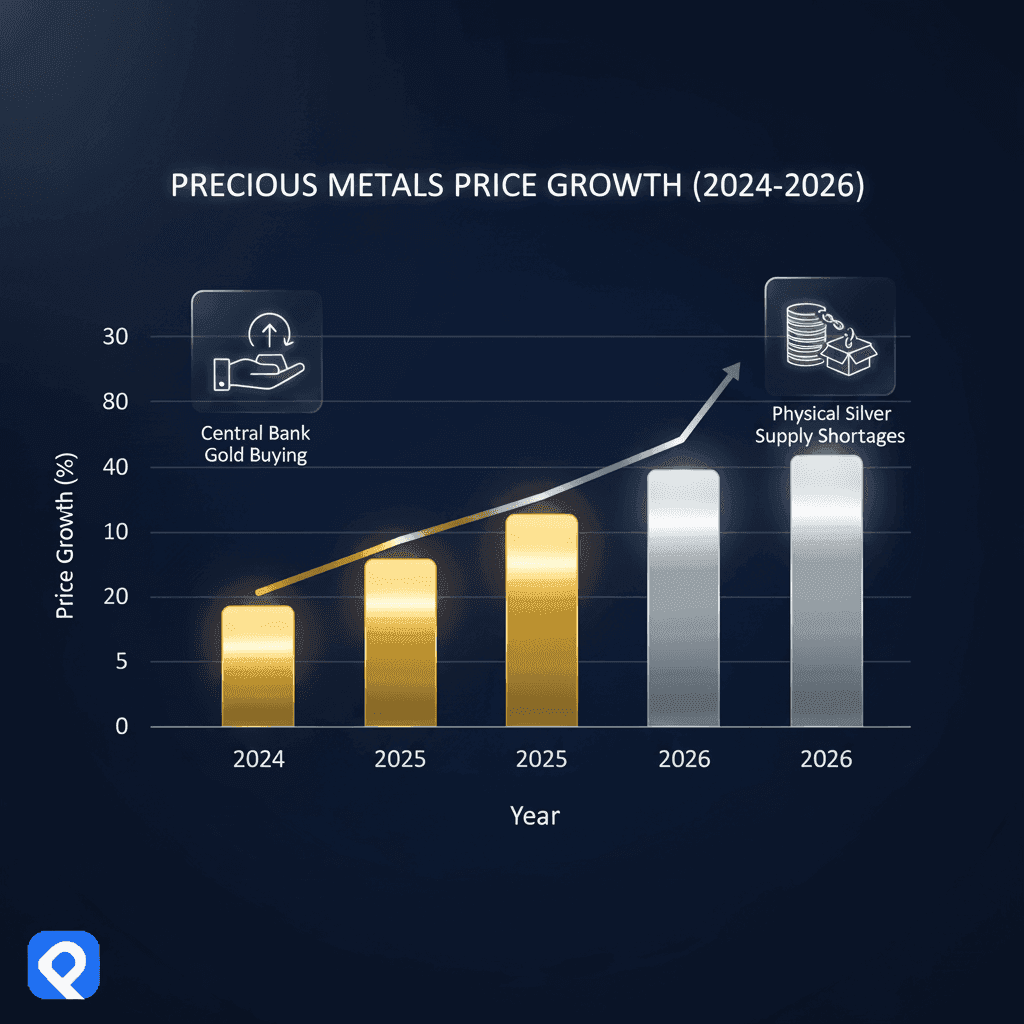
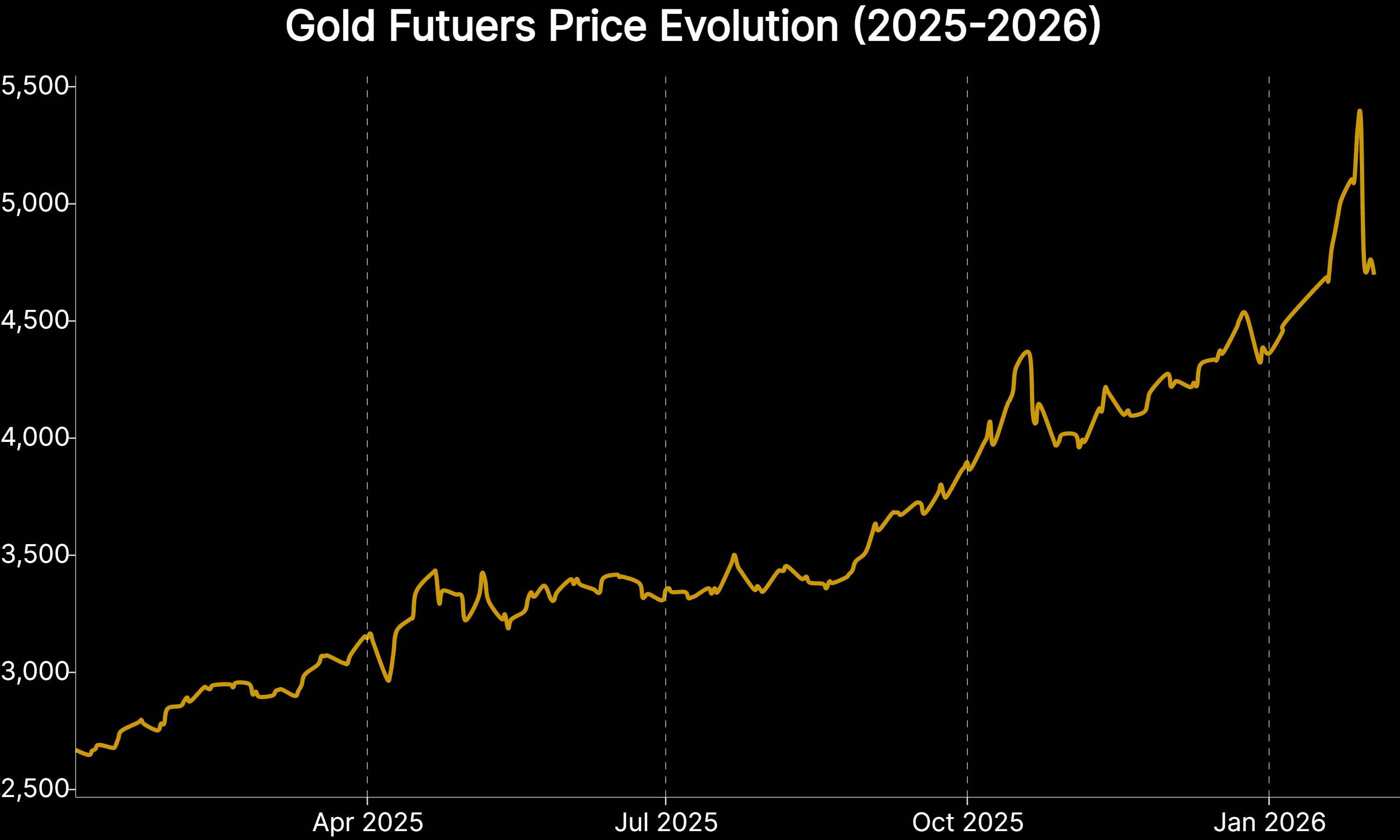
Gold and silver price acceleration 2024-2026: The combined impact of central bank buying and physical supply shortages.
Gold Price 2026 and the Precious Metals Rally
The gold price 2026 story is one of momentum driven by fear, opportunity, and historical patterns. As global anxieties peaked, a powerful precious metals rally began. Investors compared charts from the 1970s and 2011, but the 2026 surge quickly surpassed previous records.
This was not a temporary spike. It marked a generational rally, with gold leading the way.
Commodities Supercycle
2026 witnessed a commodities supercycle unlike any in recent memory. Gold, silver, copper, lithium, oil, and even agricultural products experienced significant gains. Unlike previous cycles driven by Chinese industrial growth or loose monetary policy, this rally was powered by a global shift toward resource security and physical assets.
The transition to green energy increased demand for metals. As nations competed for resources, supply chains became strained and trade barriers rose. Gold and silver emerged as symbols and beneficiaries of this resource-driven supercycle.
Gold to Silver Ratio Movements
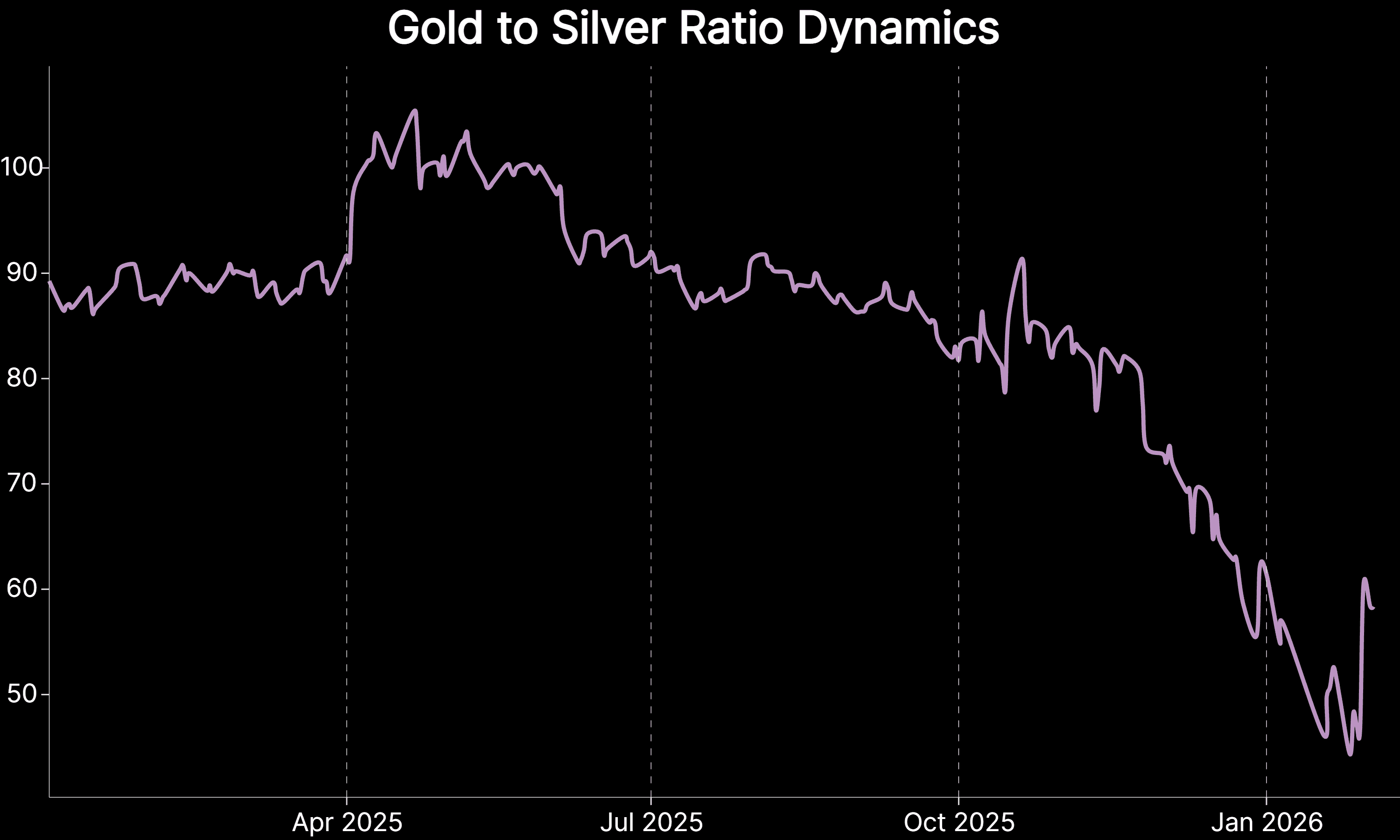
The gold to silver ratio, a key indicator for precious metals investors, shifted dramatically in early 2026. After hovering around 80, the ratio fell sharply as silver outperformed gold, reaching levels last seen in the early 1980s.
This decline signaled renewed confidence in silver. Industrial demand, supply shortages, and speculative interest created a feedback loop, encouraging traders to rebalance portfolios and driving further gains in silver.
Silver Squeeze and Market Volatility
The gold silver price surge 2026 cannot be discussed without mentioning the silver squeeze and the resulting market volatility. While gold provided stability, silver’s rapid swings created both excitement and risk.
Flash Crash January 2026
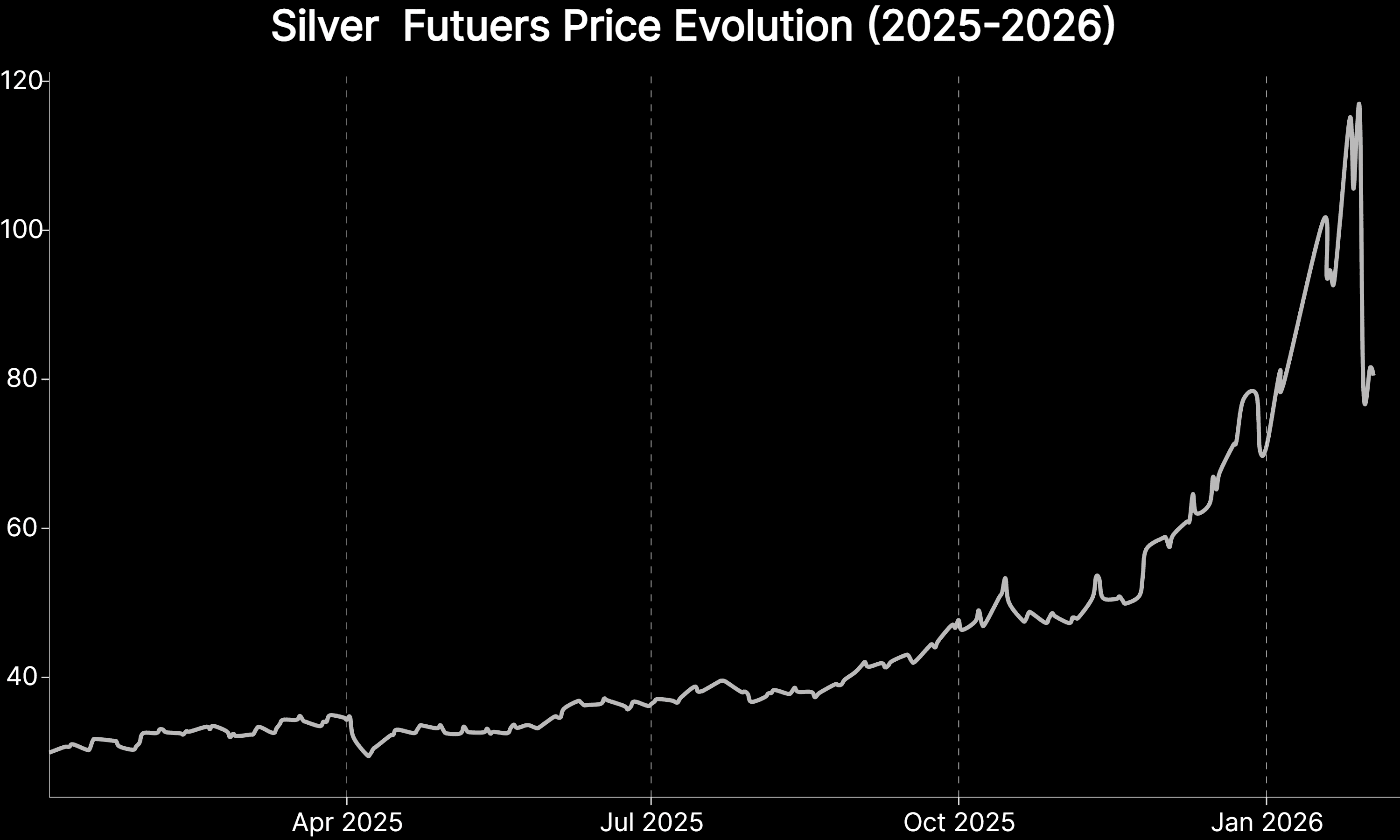
In January 2026, silver experienced a dramatic flash crash. Within minutes, prices dropped nearly 18% before rebounding. Analysts cited algorithmic trading, thin liquidity, and rapid short covering as contributing factors.
Silver prices fluctuated wildly, with sudden drops and recoveries catching both retail and institutional investors off guard. The event highlighted the fragility and volatility of the silver market during periods of intense demand.
Silver Volatility Drivers
Silver’s volatility in 2026 stemmed from its smaller market size, limited liquidity, and increased speculative activity. The physical shortage, strong ETF inflows, and a surge in retail buying amplified price swings.
Industrial users, such as solar panel and electronics manufacturers, could not reduce their demand, further tightening supply. Even minor disruptions or rumors triggered significant price movements, making silver one of the most unpredictable assets of the year.
What This Means for You
The gold silver price surge 2026 has implications for investors, savers, and industries alike.
First, it demonstrates that markets can move rapidly and unexpectedly. Precious metals, often seen as stable, can experience dramatic surges and declines.
Second, diversification is essential. Spreading risk across asset classes and regions helps protect against sudden market shocks. The events of 2026 underscored the importance of a balanced portfolio.
Third, focus on underlying drivers. Central bank gold buying, physical metal shortages, and global economic instability have a greater impact than daily headlines. Investors should consider the role of precious metals in their strategies, while industries must prepare for ongoing supply challenges and price fluctuations.
The aftershocks of 2026 continue to shape markets. Gold and silver have reasserted their positions as both safe havens and sources of volatility, setting the stage for future developments.